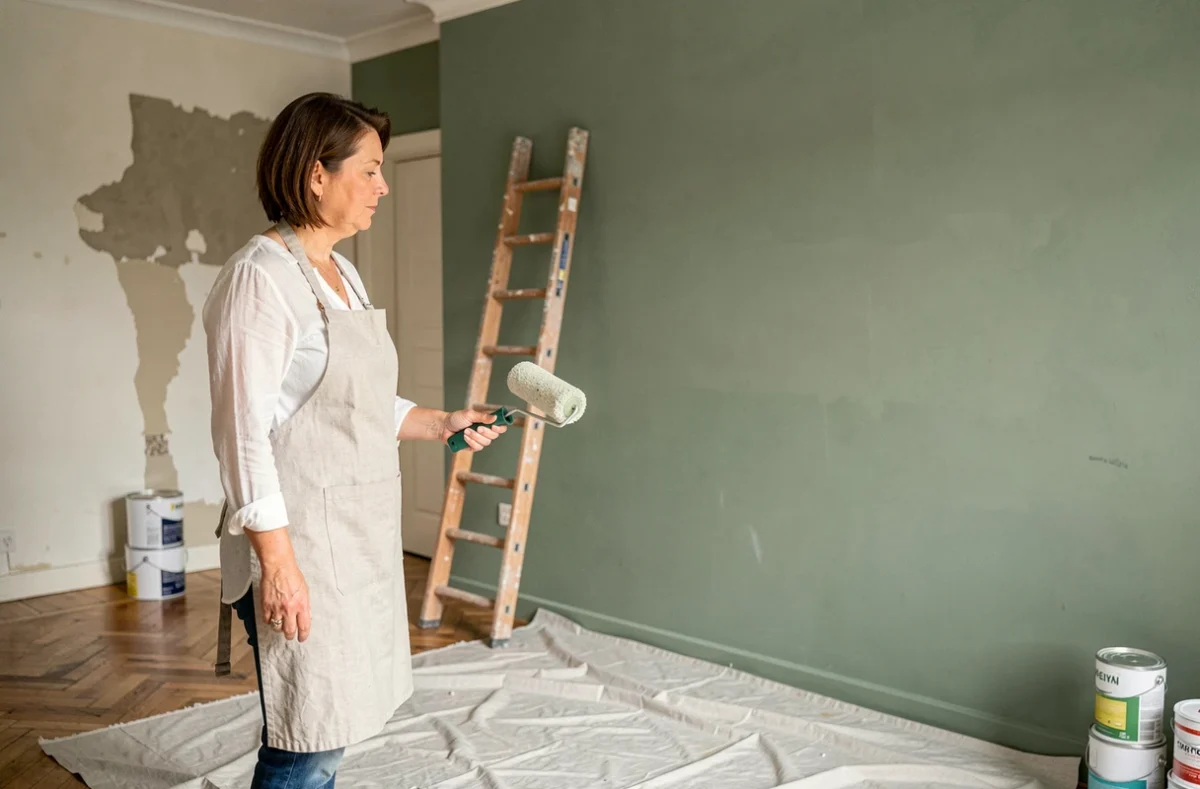
The choice of wall covering or an appliance during an interior renovation involves technical trade-offs that traditional decorating guides do not address. Coordinating decorative finishes with energy constraints and the durability of equipment is the real lever for a coherent project, far beyond simple makeovers.
Durability Index and Appliance Choices for a Renovated Room
Since 2025, the durability index replaces the reparability index for televisions and washing machines in France. This new indicator incorporates criteria for reliability and wear resistance, which changes the assessment framework when equipping a kitchen or a redesigned room.
A well-rated appliance on this index ensures better mechanical longevity, as well as easier access to spare parts. The European directive also requires manufacturers to repair certain products, even out of warranty, at a reasonable price. Before approving a quote, we recommend checking these two points: the durability rating and the manufacturer’s repair terms.
For your decoration and appliance projects with Renov Et Plus, this approach allows for the selection of equipment that integrates into the room’s style without becoming obsolete in a few years. A washing machine built into a laundry room open to the kitchen, for example, must meet aesthetic criteria (front panel, noise level) as well as long-term maintenance criteria.
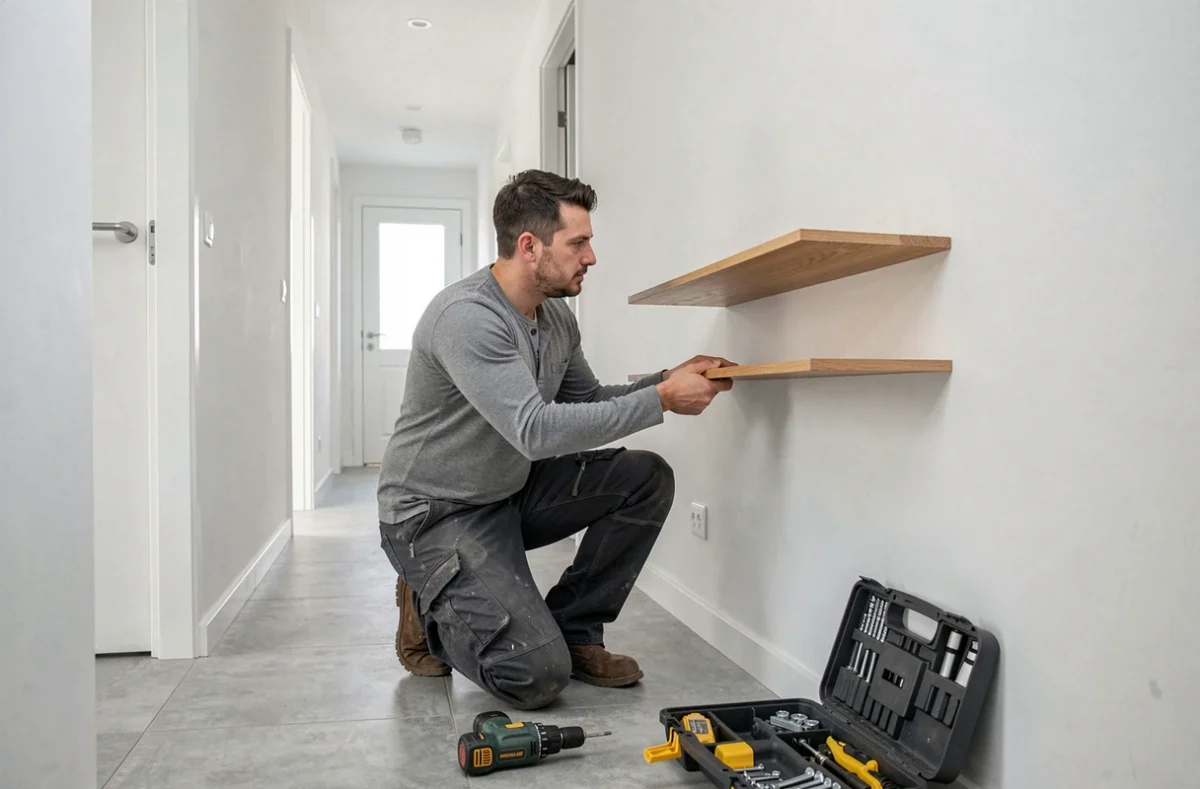
Energy Renovation and Interior Decoration: Coordinating Work Areas
The thermal performance of a home depends on interrelated factors: insulation, ventilation, joinery, and heating. Replacing a radiator with a designer model without addressing the insulation of the load-bearing wall behind it amounts to investing in an appliance that constantly compensates for heat loss.
Examining these four areas together before starting the finishes avoids costly rework. A decorative coating applied to a poorly insulated wall will eventually show signs of moisture. A high-end paint applied before installing a dual-flow ventilation system risks being damaged by drilling work.
Financial Aid and Sequencing the Project
Financial aid programs for energy renovation are more geared towards comprehensive projects. This means that a file combining insulation and heating system replacement will receive better support than an isolated intervention. Checking eligibility before signing a quote determines the budget available for the decorative part.
The appropriate sequencing follows a simple logic:
- First, address the building envelope (wall insulation, window replacement) to stabilize the hygrothermal conditions of the room.
- Next, install the technical equipment (heating, ventilation, built-in appliances) whose sizing depends on the performance of the envelope.
- Finally, finish with coverings and decorative elements, which will no longer be subject to mechanical constraints related to the structural work.
Reversing this order risks having to redo the same finish twice.
Choice of Decorative Materials: Wood, Paint, and Technical Coatings
Wood remains the most versatile material for an interior renovation project. Solid parquet, paneling, beech or oak countertops: each type behaves differently in terms of humidity and wear. In a kitchen, wood treated with an oiled finish withstands splashes better than a varnish that chips off in flakes.
The preparation of the substrate conditions the durability of any finish. On an old wall, a filling compound followed by fine sanding ensures a smooth surface. On new drywall, an appropriate primer prevents the paint from darkening due to irregular absorption.
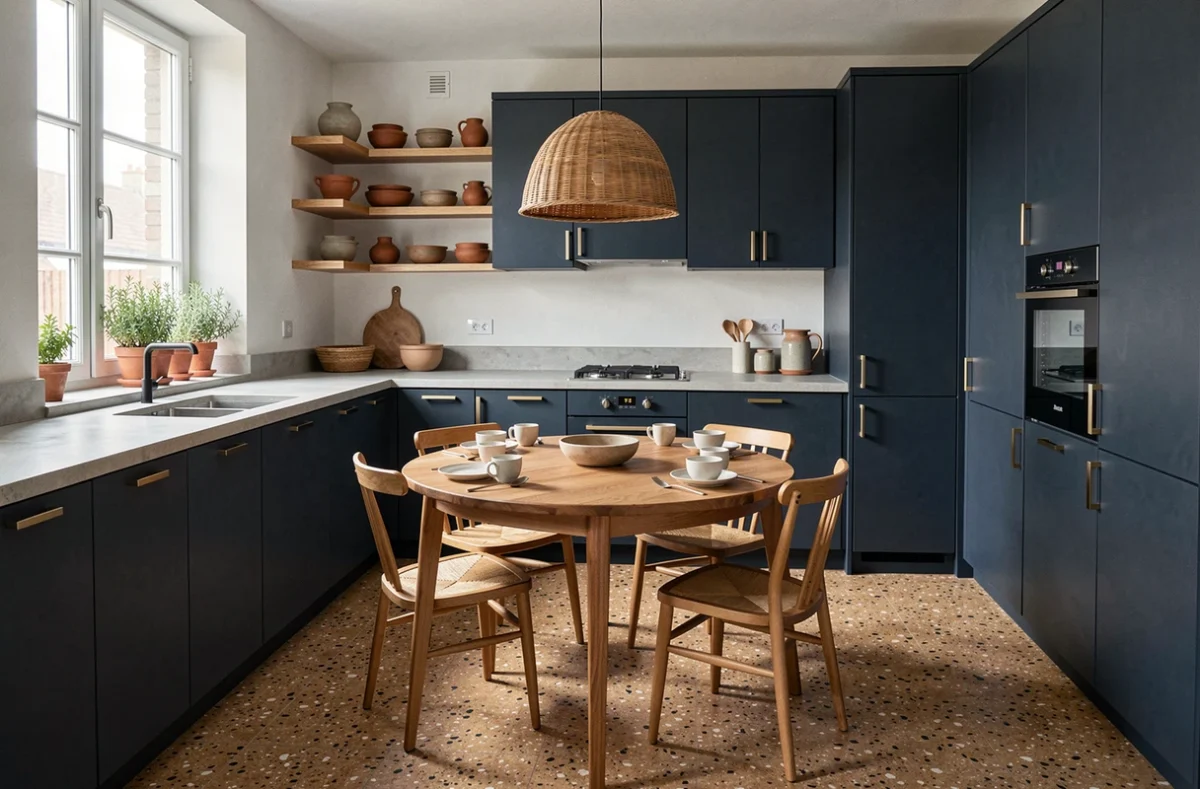
Paint and Colors: Balancing Appearance and Technicality
Low VOC (volatile organic compounds) paints have significantly improved in coverage. In renovation, a matte paint better conceals flatness defects than a satin finish, but it is less resistant to abrasion in high-traffic areas. For an entryway or hallway, satin remains the best compromise between aesthetics and durability.
Color structures the perception of volumes. A dark tone on the back wall of a long room visually reduces depth. A ceiling painted in a shade slightly lighter than the walls gives an impression of additional height. These effects work provided that the lighting is considered in parallel: a warm color under cold lighting loses all coherence.
Lighting and Furniture: Often Underestimated Levers in Interior Renovation
Multiplying light sources in a room changes the atmosphere more than changing the furniture. A single central ceiling light flattens the reliefs and creates unsightly shadow areas. Combining indirect lighting (LED strip behind a low cabinet), a reading lamp, and a directional spotlight on a decorative element creates a depth that furniture arrangement alone cannot offer.
The color temperature of the bulbs must match the function of the room. Warm white is suitable for resting areas, while neutral white is appropriate for kitchen work surfaces. Mixing the two in the same room without a dimmer creates an immediate visual inconsistency.
On the furniture side, a multifunctional piece (bench with integrated storage, extendable table) frees up floor space in small rooms. The choice of style, whether contemporary, Scandinavian, or industrial, gains coherence when it relies on two or three recurring materials throughout the space rather than a mix of textures without a guiding thread.
An interior renovation project that separates decoration from technical choices often produces a fragile result. Thinking of each room as a system where materials, appliances, and finishes interact remains the most reliable method for a functional and durable interior.