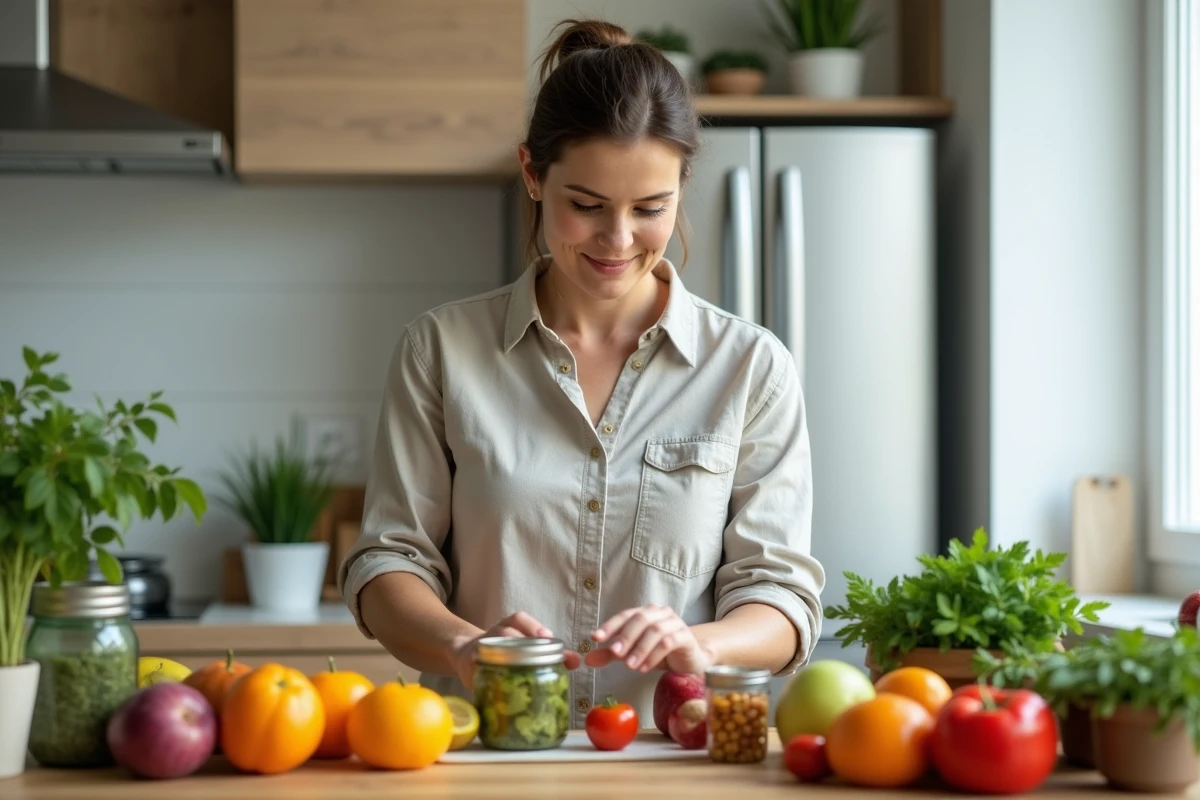
Stale bread never regains its original texture after being frozen, unlike a simple fresh loaf. A ripe avocado left at room temperature loses half of its vitamin C in twelve hours, while storing it in the refrigerator significantly slows down this degradation.
The way food is preserved does not solely depend on the expiration date displayed on the packaging. Even the slightest temperature fluctuation, whether on the road or in the kitchen, plays a considerable role. Sometimes, products that we think are resilient turn out to be less robust than expected when faced with cold, while some delicate ingredients fare better than we imagine.
Why proper food preservation makes all the difference in daily life
Knowing how to preserve your food is much more than just a matter of shelf life or fighting against waste. It’s about keeping the nutritional quality, flavor, and safety of every product that enters the refrigerator or pantry intact. Preservation relies on understanding microorganisms, temperature, and the specific characteristics of each food item. Take an apple left on the table: after a few days, its texture changes, and so does its taste. A piece of poorly protected cheese? Mold and odors arrive uninvited.
In our home, the expiration date (DLC) and the minimum durability date (DDM) often dictate the course of action. However, daily vigilance remains crucial. Fresh foods do not tolerate temperature variations without consequences: shortened shelf life, altered quality. Rapid cooling, separating raw from cooked, choosing airtight containers—these reflexes prevent many inconveniences and slow the proliferation of microorganisms.
Optimizing preservation also means saving money. For example, vacuum sealing slows down oxidation and protects against bacteria. For those looking to compare and choose the best vacuum sealer, jeconserve.fr offers detailed comparisons and independent tests designed to meet all needs. This site supports those who want to respect food products while reducing waste.
What traps to avoid and common mistakes at home?
Between good intentions and habits, we sometimes multiply missteps without realizing it. Managing food items in the refrigerator can lead to forgetfulness: the temperature is not always properly set, a still-warm dish is stored due to lack of time, or unsuitable packaging is used. As a result, a simple action like placing a hot dish too quickly can accelerate the multiplication of microorganisms and compromise meal safety.
Another classic pitfall: the confusion between expiration date and minimum durability date. Exceeding the first (the DLC) poses a real health risk. Passing the DDM, on the other hand, mainly indicates a possible loss of taste or texture, but rarely an immediate danger. As for fruits and vegetables left exposed to the air, they can quickly lose their freshness and nutritional benefits.
A few simple rules can help avoid these mistakes:
- Leave space in the freezer: good air circulation ensures effective freezing on all levels.
- Prefer containers that are in good condition and well-sealed: moisture and oxygen are the best allies of premature food aging.
- Avoid refreezing food that has already been thawed: the risk of bacterial proliferation increases with each cycle.
To improve the preservation of prepared dishes and foods, invest in well-sealed jars, suitable bags, and regular stock rotation. Keep an eye on the temperature: between 0 and 4°C for the fridge, -18°C for the freezer. These details make all the difference in limiting health risks and prolonging the freshness of products while minimizing avoidable losses.
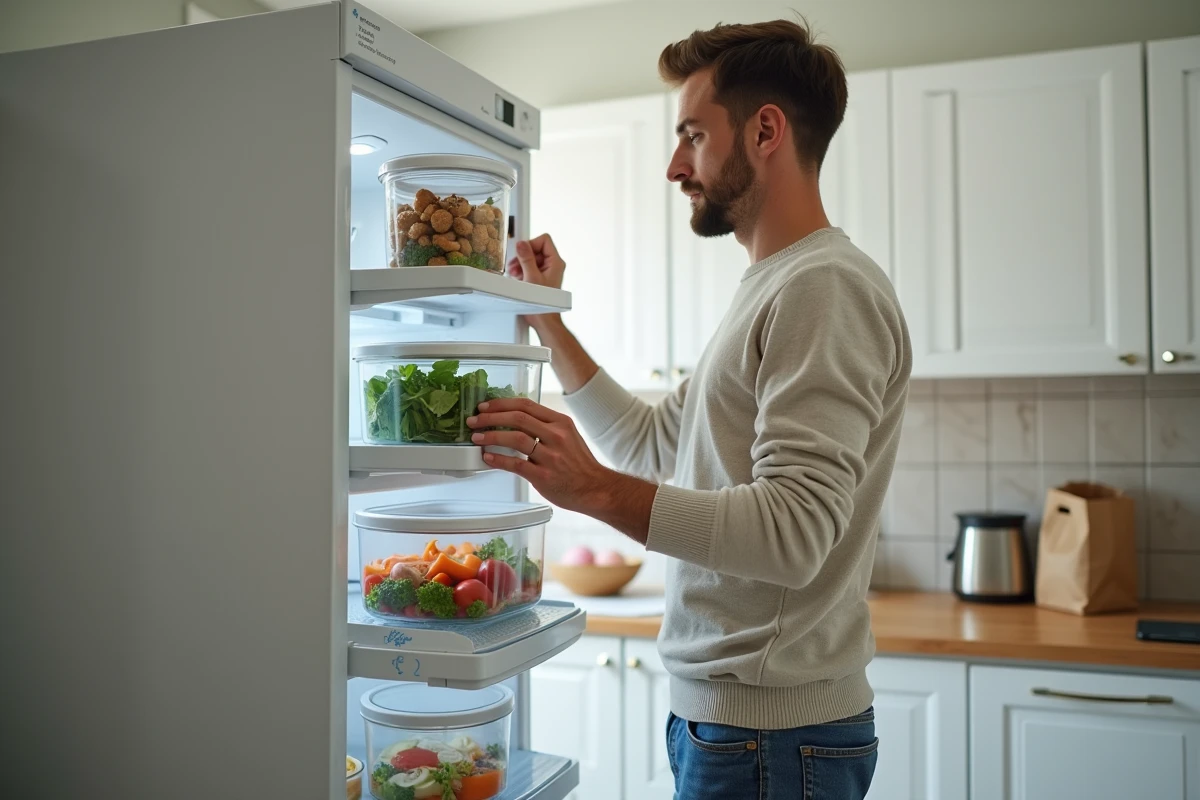
Mastering the art of preservation transforms daily life into an experience where each product keeps its promises, from the market to the plate, without a quick trip to the trash. Nothing replaces the attention given to what is stored on shelves or in the refrigerator, and tomorrow, perhaps, food waste will be nothing more than a bad memory in many households.