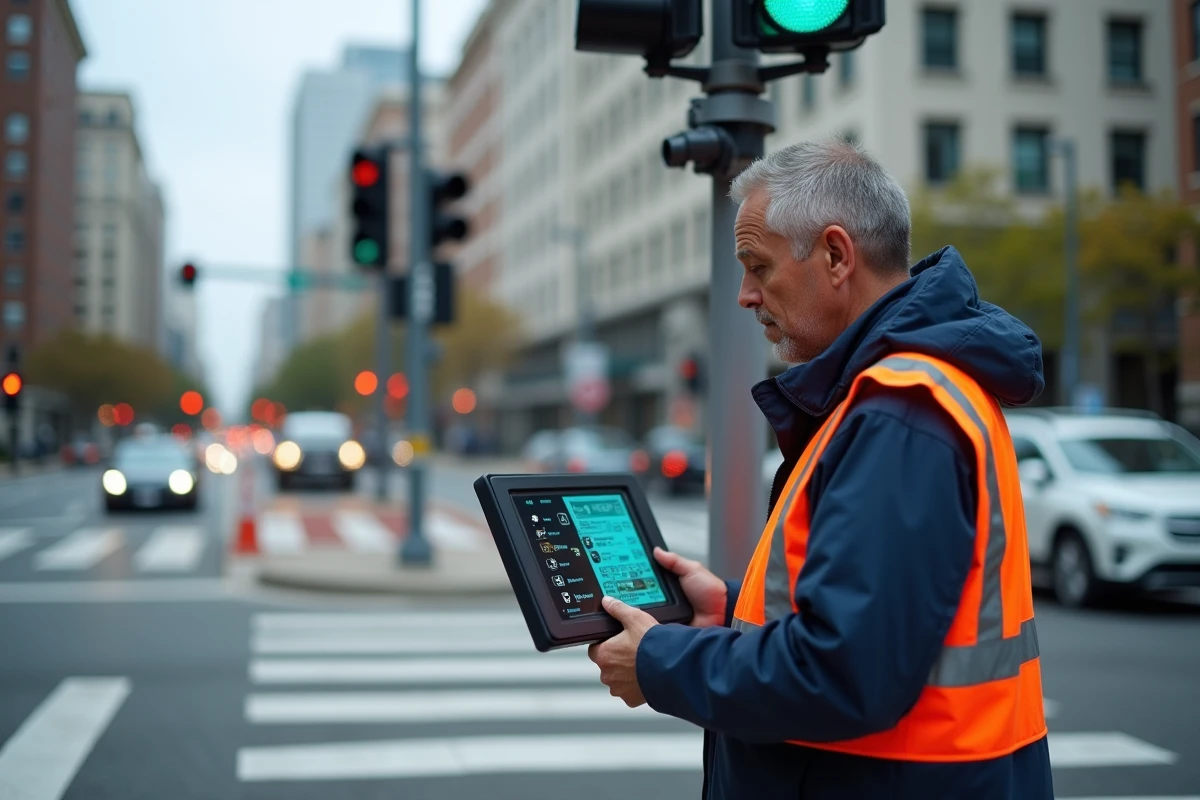
An intelligent traffic light can cost between 15,000 and 60,000 euros per intersection, excluding maintenance and upkeep costs. Some cities negotiate preferential rates through bulk purchases, while others see their budgets explode due to specific technical constraints. Price discrepancies are explained by the diversity of sensors, the complexity of embedded algorithms, and integration with existing urban systems. An accurate estimate therefore depends on a detailed inventory of local needs, existing infrastructure, and traffic flow objectives.
What is the real purpose of an intelligent traffic light today?
The intelligent traffic light disrupts traffic habits. Gone are the rigid cycles; it’s all about responsiveness: this device adjusts traffic management to the real context, collecting minute-by-minute data on the presence of vehicles, pedestrians, and their speed on the road. Regardless of the density of the intersection or the tranquility of a secondary road, it observes and adapts its strategy.
The technology utilizes Doppler sensors that track driver speeds. If speeds exceed the limit, the signal turns red without hesitation. Near a pedestrian crossing or a sensitive area, the system adjusts its light timings to enhance safety, whether one is on foot or behind the wheel.
Cities are discovering a tool that is much more clever than simple signage. The principle of the reward light plays a role here: adhering to the speed limit promises a longer green light. Breaking the rules results in an immediate delay displayed by the program. This mechanism, tested around schools or on high-risk routes, eases tensions and reduces dangers.
The benefits are tangible: fewer conflicts at intersections, a decrease in accidents, and improved coexistence among all users. It’s not about replacing human attention but providing a precise and fail-safe technological boost.
Often, elected officials debate fiercely, as the cost of an intelligent traffic light weighs on municipal budgets and forces them to choose between immediate investment, long-term safety, and the need to maintain existing systems.
How do these connected systems work and what innovations do they bring?
Behind each intelligent traffic light is a robust assembly of electronics, Doppler sensors, and continuous control software. The central module collects speed data, detects violations, and changes the light if necessary, making the “reward light” system immediately operational.
Next-generation models add educational radars, direct indicators visible to every driver, displaying real-time speed. Traditional bulbs have been replaced by LEDs for enhanced visibility and reduced consumption. Off the grid, solar power supplies are installed for operational autonomy.
Now, these lights also communicate with their environment. Artificial intelligence allows for fine traffic management: as traffic fluctuates, the system adjusts the lighting accordingly. Some models receive remote commands via mobile app, facilitating management, updates, or technical diagnostics. Cameras and communication modules are added to the array, optimizing maintenance.
Mandatory standards (NF EN 12368, NF EN 12675, NF P99-100), adapted signs (e.g., A17 sign, M1 panel): every detail is regulated to ensure compliance on the ground.
Prices, concrete examples, and tips for estimating the cost of an intelligent traffic light
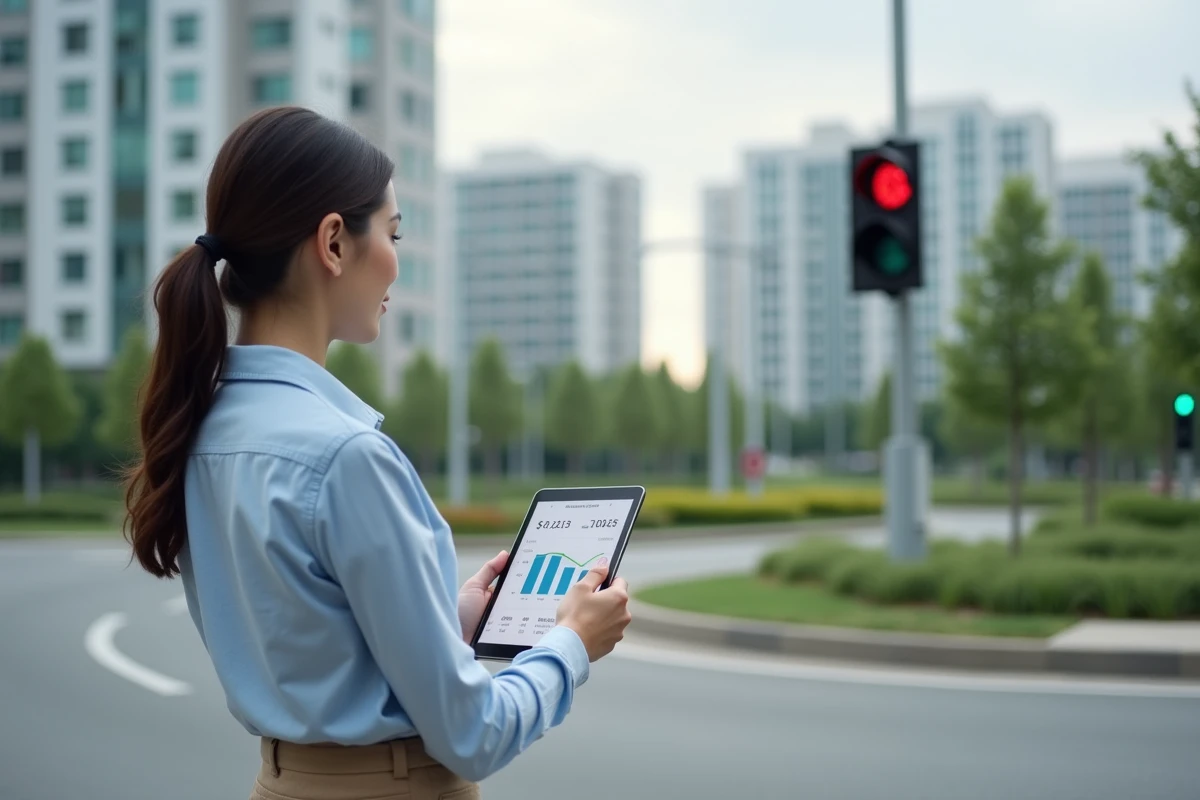
Estimating the cost of an intelligent traffic light requires looking beyond the device itself. The budget for a complete set, including a Doppler sensor, modern controller, LED modules, and solar power supply, typically ranges from 8,000 to 15,000 euros, excluding civil engineering costs. In large cities like Paris, costs rise as soon as the configuration deviates from the standard, with specific technical constraints: multi-lane roads, complex intersections, connection requirements, or special vigilance near schools.
To implement this type of device, several main expenses must be anticipated:
- Purchase of equipment (lights, Doppler sensors, regulatory signs, complete electronic controller)
- On-site work (earthworks, trenches, installation and power supply, depending on the state of networks and soil)
- Software development, with precise configuration and parameterization
- Assistance to align the project with current regulatory frameworks
These initial investments are accompanied by regular maintenance and upkeep costs. Depending on the contract and the size of the fleet, this ranges from 500 to 1,500 euros per year to keep the equipment in perfect condition.
To refine the overall cost, examine the configuration of the locations: typical intersection, immediate proximity to a pedestrian crossing, multi-lane area, or residential neighborhood. Off-grid areas favor the use of solar installations. Investing in LEDs will lower the energy bill over time.
Rigorous municipalities consult the catalogs of approved manufacturers, request several tailored quotes, and validate the compliance of equipment with standards (NF EN 12368, NF EN 12675, NF P99-100). This vigilance ensures effective, sustainable road signage without regulatory surprises.
Soon, it will no longer be surprising to encounter intersections where traffic lights communicate, anticipate, and watch over every journey. Installing this technology opens the way to a new generation of safety, tailored for both cities and villages.