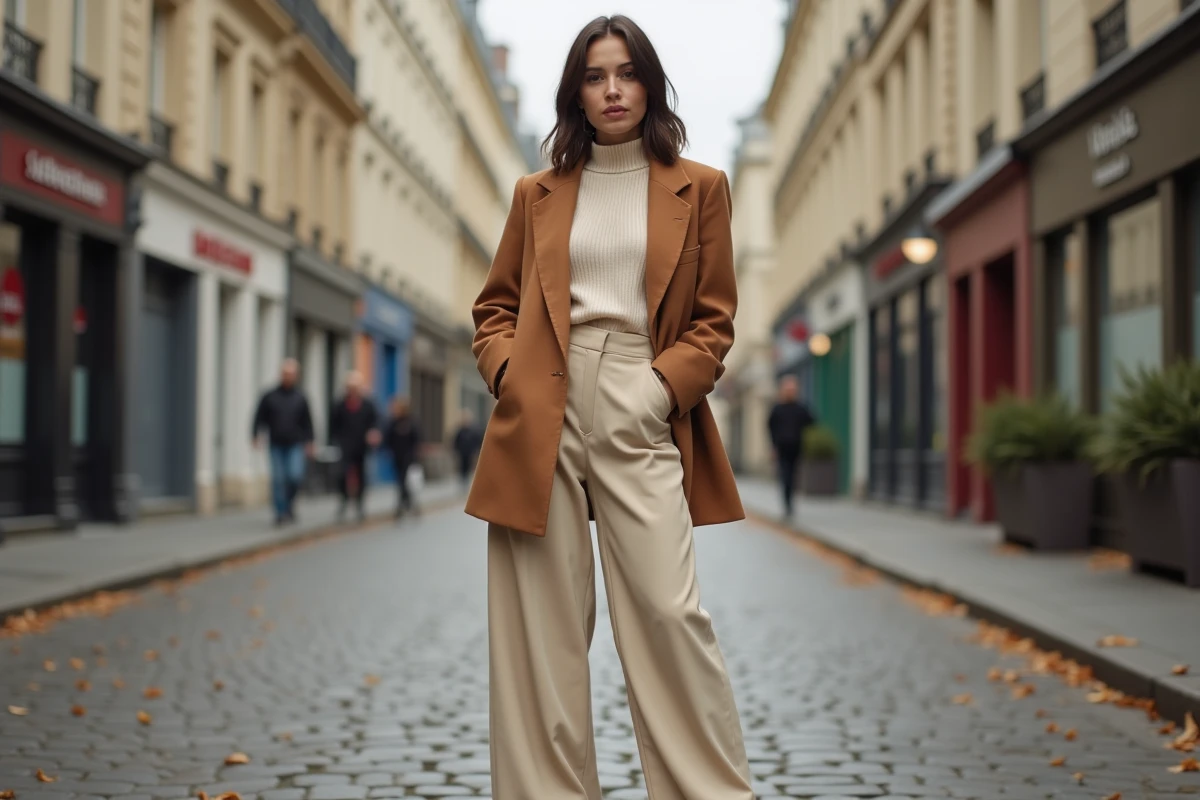
Each season reshapes the contours of the women’s wardrobe, and spring-summer 2026 is no exception. What pieces and colors truly structure the collections this year, beyond the announcements? Rather than listing dozens of micro-trends, this article isolates the measurable lines of force on the runways and in French editorial selections.
Key colors and dominant materials of spring-summer 2026: comparative table
The season’s palette reads like a balance between intensity and softness. Saturated shades (emerald green, sunflower yellow, cobalt blue) coexist with a more discreet pivot color: light blue, validated both on the runways and the red carpets. Madame Figaro dedicated a complete feature to it in May 2026, a sign that this tone goes beyond a simple niche effect.
On the materials side, the logic is one of comfort without compromising on style. Linen, lightweight cotton, and technical fabrics share the field according to use.
| Criterion | Strong trend | Declining trend |
|---|---|---|
| Dominant color | Light blue, butter yellow, emerald green | All black, washed pastels |
| Preferred material | Linen, airy cotton, technical knit | Heavy polyester, thick leather |
| Silhouette | Loose volumes, defined waist | Skinny, slim fit |
| Key length | Mid-calf, long shorts (jort) | Ultra-short mini, trailing maxi |
| Color approach | Bold multicolor combinations | Strict monochrome |
What stands out from the table is a clear shift towards relaxed silhouettes paired with bold colors. Breathable materials are no longer reserved for vacations: they now structure complete city outfits.
To delve deeper into these clothing codes and their concrete variations, the fashion page of Je Comprends Enfin offers additional analyses on the pieces to prioritize.
Wide volumes and the end of slim: what the 2026 silhouette changes
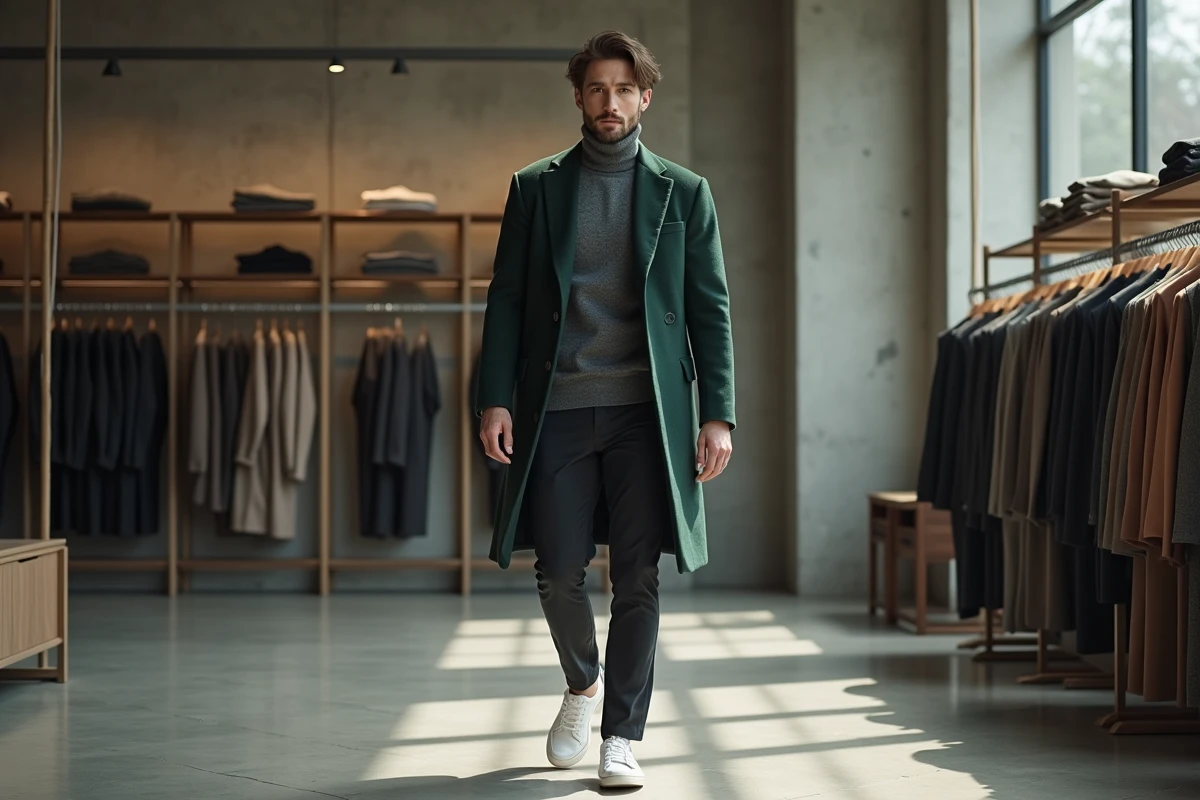
The decline of skinny is not new this season, but spring-summer 2026 marks an additional step. The logic of volume now extends to the lower part of the silhouette as a whole, including shoes. Reports in spring 2026 indicated that the duo of wide jeans and chunky ankle boots was establishing itself as the reference combination.
This global approach to volume alters how an outfit is constructed. Wearing wide pants is no longer enough: it’s the coherence between the top, bottom, and accessories that creates the desired effect.
- The barrel jean (rounded cut at the thigh, tapered at the ankle) replaces the classic straight jean as a wardrobe staple.
- The structured wide pant, worn high-waisted, works equally well with a crop top or a tucked-in shirt.
- Chunky or square-toed ankle boots complete the silhouette without creating a visual break with wide pants.
However, the top often remains more fitted. Polo shirts, crop tops, and fine knits create a contrast in proportions with the bottom. The play of contrast between a fitted top and generous bottom constitutes the most recurring silhouette scheme in this season’s collections.
Long shorts and jorts: the intermediate lengths missing from the radar
Editorial competitors are heavily focused on long dresses, midi skirts, and wide pants. One angle remains underexplored: the rise of intermediate lengths at the lower part of the silhouette, particularly the return of long shorts.
FashionUnited identified the jort (long jean shorts, above or at knee level) as a key piece for spring-summer 2026 in its B2B overview. This length stands out from the classic bermuda by a more raw cut, often in faded denim, worn with dressier pieces on top.
Long shorts meet a practical demand: providing enough coverage for a semi-professional or urban context while remaining suitable for summer temperatures. Paired with a lightweight blazer or a short colorful jacket, it allows for a structured look without resorting to pants.
Color combinations: going beyond the simple duo this season
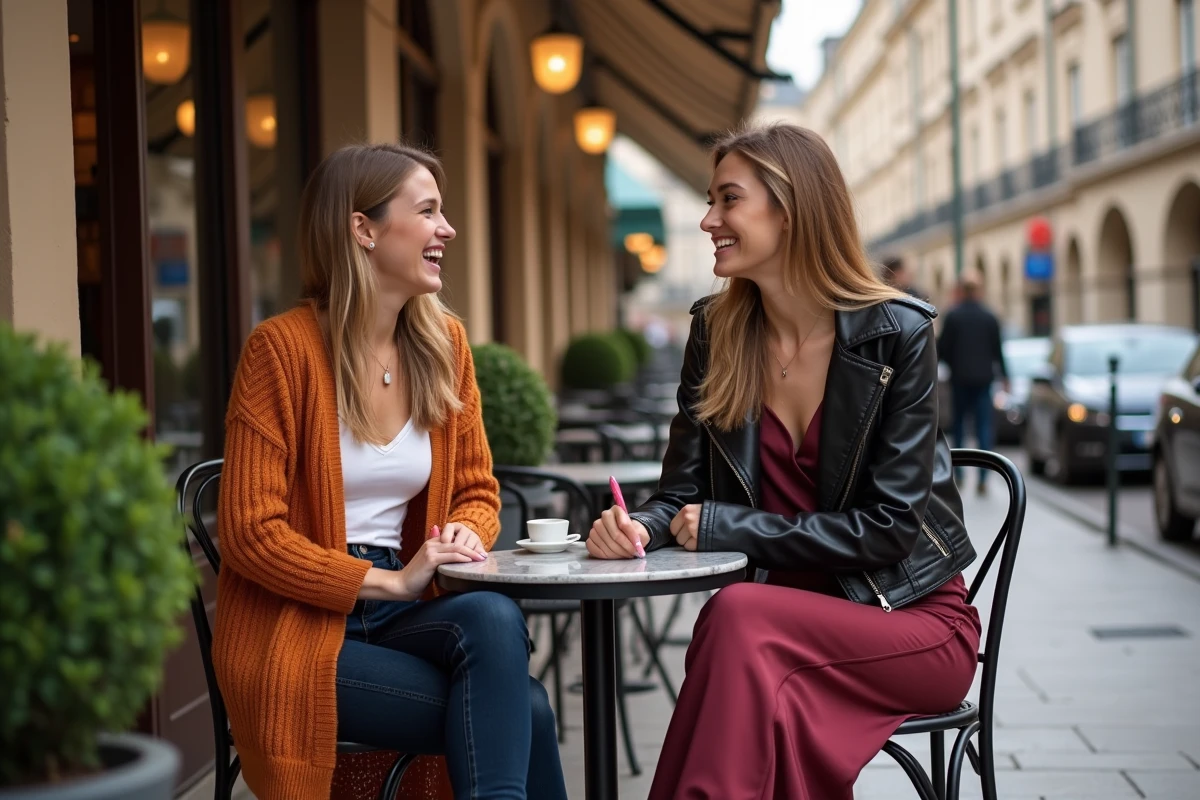
Spring-summer 2026 pushes the chromatic logic further than previous seasons. The website Tendances-de-mode noted that the color mixes highlighted this season are not limited to duos, but integrate three shades or more into a single outfit.
In practical terms, this means that a look can combine butter yellow pants, an aqua green top, and a light blue jacket without appearing costume-like, provided a simple rule is followed: maintain a unified material (linen or matte cotton, for example) so that the textile coherence compensates for the chromatic boldness.
This evolution has a direct impact on the way of shopping. Rather than building a wardrobe around neutral basics complemented by a standout piece, the 2026 trend invites the acquisition of colorful pieces designed to work together. The season’s style guide relies less on black that goes with everything and more on a personal palette of three to four complementary colors.
Light blue, in particular, plays a binding role: it pairs well with both butter yellow and emerald green or off-white. This explains its position as a pivot color in editorial selections this season.
The spring-summer 2026 fashion trend can be summarized as a shift in focus: fewer neutral pieces, more volume, and color combinations that require a minimum of thought in advance. The wardrobe gains expressiveness, provided one accepts that each purchase fits into a palette logic rather than accumulation.