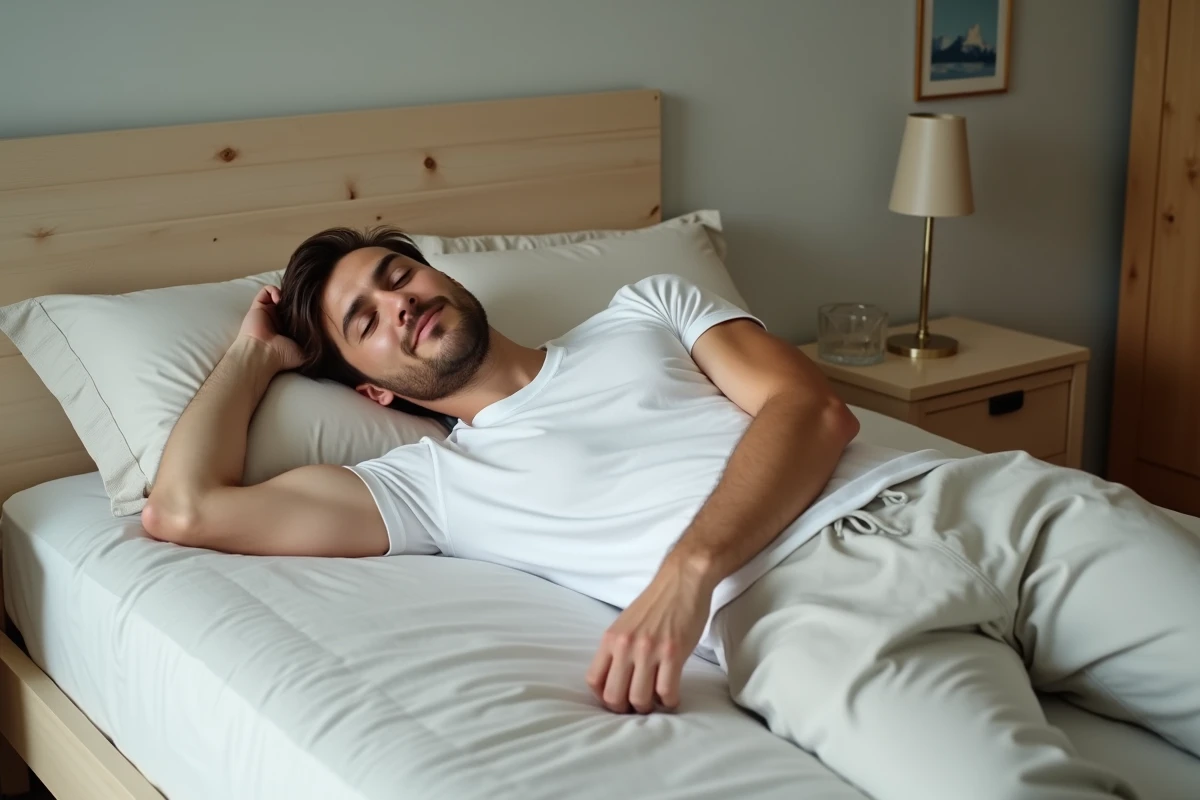
Sleeping naked under the duvet is not a marginal gesture or an eccentric whim. For several years now, research teams have been scrutinizing our nighttime habits and highlighting the very real impacts on our intimate health and our relationship with sleep. However, just consulting two specialists can yield two sometimes opposing opinions, as recommendations vary according to profiles and sensitivities.
Skin risks or hygiene are often pointed out, but it would be reductive to overlook the clearly identified benefits. Between the search for absolute comfort and the desire to avoid discomfort, the subject divides even among experts.
Why do so many people hesitate to sleep without underwear?
The question keeps coming up: what makes so many men and women hesitate to not wear boxers at night? The motivations go far beyond routine or simple comfort. Choosing what to wear to sleep often reconnects individuals with childhood sensations, memories of protection or security passed down by parents. Many families encourage children to forgo underwear for the night, provided cleanliness is maintained. As adults, everyone constructs their own rules, balancing the need for freedom with an attachment to a thin textile barrier deemed reassuring.
But underwear does more than just protect against the cold. It helps keep bed linens clean from secretions, discharges, or stains, especially during menstruation. For women, the choice becomes even more complicated depending on the type of hygiene protection: pad, tampon, cup, or nothing at all. Pregnancy can also change the situation and encourage the retention of underwear for a sense of bodily control.
Individual preferences quickly take precedence. Some shy away from any textile constraint, while others see the absence of underwear as an additional risk for hygiene or modesty. Pajamas, whether cotton or synthetic, then enter the equation and disrupt habits. Ultimately, everyone seeks their balance between comfort and hygiene, guided by their history and the desire for a peaceful night’s sleep.
Advantages and risks: what studies and health professionals say
Abandoning underwear at night immediately raises questions about intimate health and sleep quality. Several medical voices, including gynecologist Odile Bagot and midwife Lucie Sarfati, emphasize: nighttime is a privileged moment for the skin to truly breathe. Without a textile barrier, the intimate area is better ventilated, maceration decreases, which reduces the risk of fungal infections or irritations, especially if heat or humidity creeps under the duvet. If you still choose to wear pajamas, cotton remains the reference for moisture absorption, unlike synthetics that promote heat accumulation.
For men, testicular temperature is not a detail. Wearing tight underwear at night can raise local temperature, which affects sperm quality and fertility. Doctor Gérald Kierzek advises those who wish to prioritize bodily freedom to give spermatogenesis the best chance.
On the female side, removing underwear, especially if it is tight or lacy, limits the risks of irritations, cystitis, or candidiasis. During menstruation, cotton hygiene products should be prioritized to limit moisture that synthetic materials poorly retain.
For many, sleeping naked or without underwear facilitates thermal regulation, promotes melatonin production, and improves sleep quality. However, caution is advised: this practice requires impeccable hygiene. Sheets should be washed frequently, and pajamas, when worn, should be chosen from natural materials.
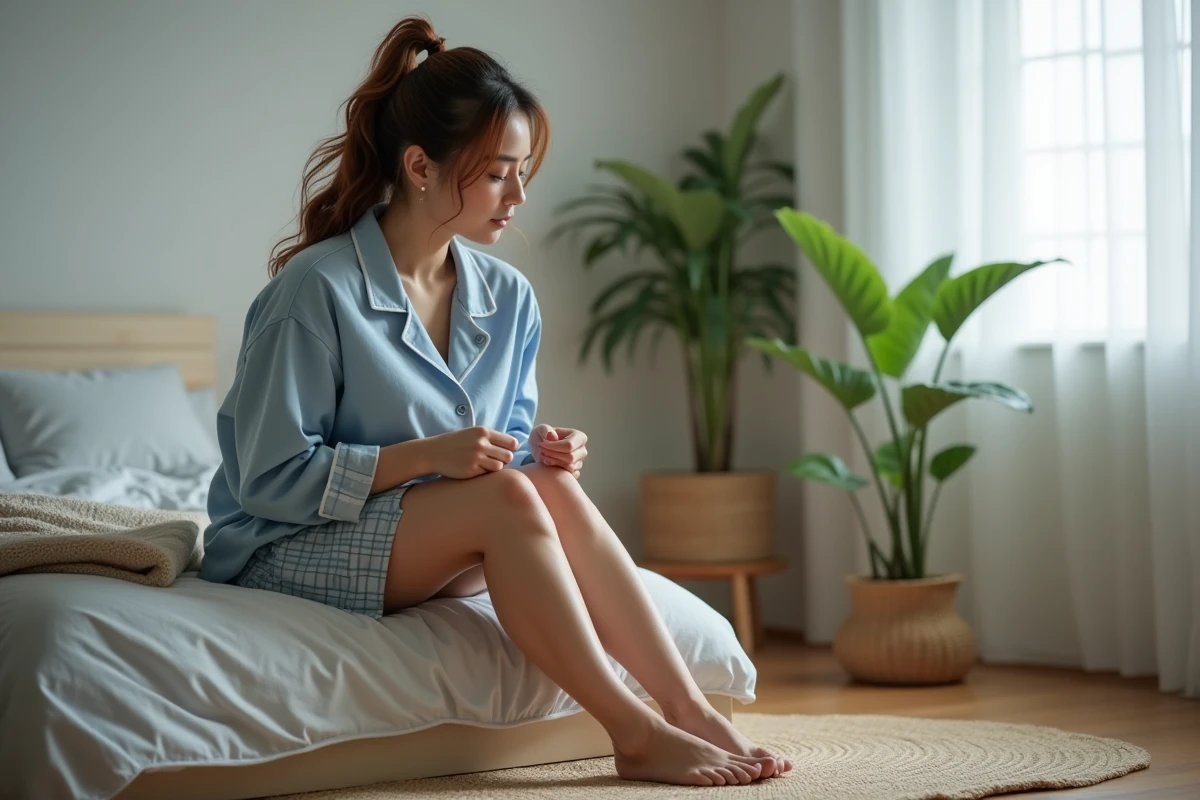
Making the right choice based on comfort, hygiene, and personal needs
Going without underwear at night is not a passing trend. Comfort remains the primary criterion. Some appreciate the feeling of freshness on the skin, the freedom of movement, and the absence of friction. Others prefer the presence of a protective layer, whether for psychological security or to avoid potential nighttime leaks. Each person has their formula, based on their preferences and well-being.
Attention to hygiene should not wane. Choosing to sleep naked or without pajamas means being extra vigilant about the cleanliness of bed linens. It is recommended to change sheets at least twice a week to limit bacterial proliferation and preserve skin health. Opt for natural materials, such as cotton, for pajamas or underwear worn at night: they absorb moisture, limit maceration, and contribute to good body temperature regulation. Organic cotton underwear, for example, reduces irritations and provides a healthy environment for the intimate area.
Adaptation based on situations
Here’s how to adapt habits based on one’s situation:
- For women, using a cotton hygiene product during menstruation, or keeping underwear if it provides reassurance, remains an appropriate solution.
- For men, sleeping without underwear can promote reproductive health, provided that nighttime linens are kept clean.
- Children can also go without underwear at night if it aligns with their habits and level of cleanliness.
The question of wearing underwear at night will never find a universal answer. Everyone navigates between comfort demands, hygiene needs, and personal situations. Ultimately, it is up to each individual to chart their own path, whether draped against skin or not, for nights that reflect their own preferences.