With the rise of electric cars, it has become essential to understand the specifics of car insurance for these vehicles. Whether you are already a owner of an electric car or considering buying one, it is crucial to know how to choose the best insurance coverage for your vehicle.
Characteristics of an electric car
Electric vehicles stand out by their mode of propulsion, using batteries to power an electric motor. Unlike traditional cars, they do not consume fossil fuels, making them more environmentally friendly.
Advantages of electric cars
Electric cars offer several advantages over conventional models. They contribute to reducing CO2 emissions and allow savings on fuel and maintenance costs. These vehicles are particularly well-suited for urban trips, thanks to their often sufficient range for daily commutes.
Why specific insurance for electric vehicles?
Particular risks of electric cars
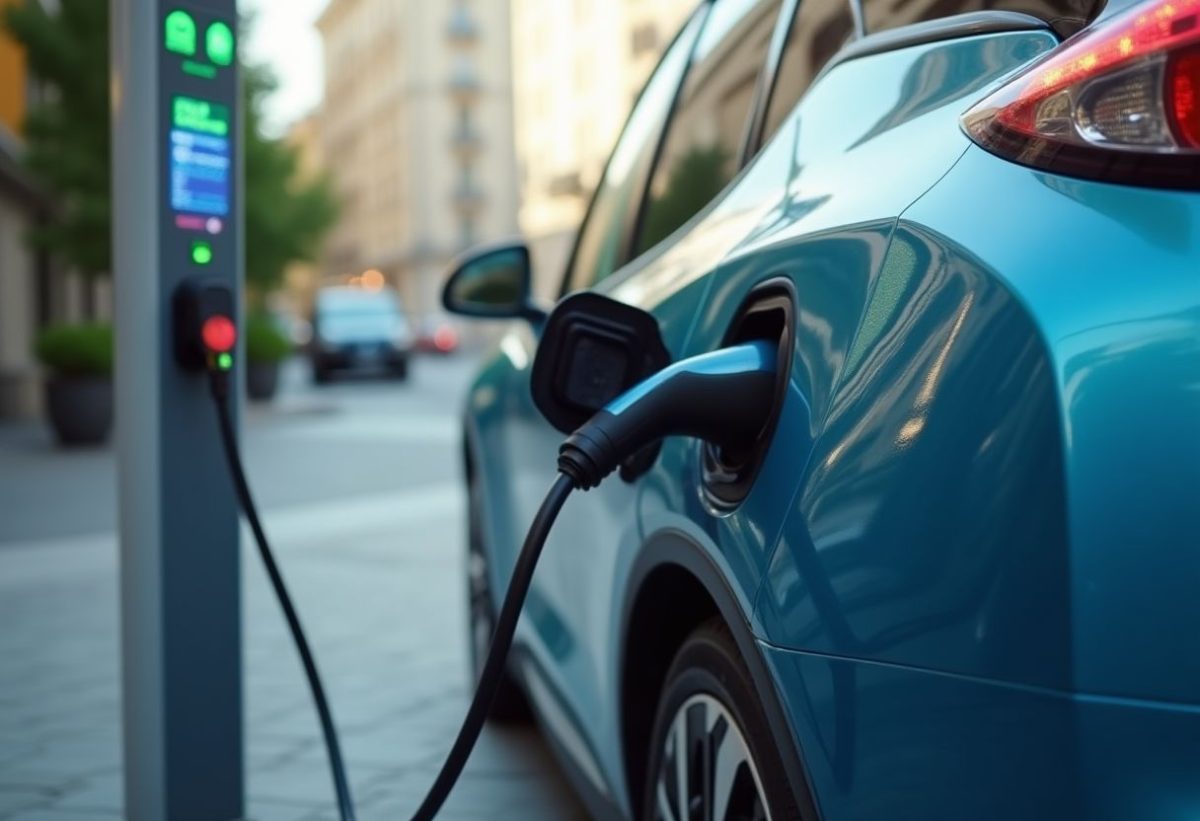
Insurance for electric cars must take into account certain specific risks, such as damage related to the battery or charging stations. By choosing insurance that includes these coverages, such as liability insurance, you will be better protected in case of an incident.
Liability insurance for electric cars
Liability insurance is the legal minimum for any driver. It covers damages caused to third parties in the event of a responsible accident. However, it is often wise to opt for more comprehensive coverages, such as full coverage insurance.
The specifics of electric car insurance contracts
Coverages included in contracts
Insurance contracts for electric vehicles can include a variety of coverages. Among them, comprehensive accident damage coverage, which covers a wide range of scenarios, as well as coverage in case of theft or fire. A particularly interesting option is battery breakdown assistance, often included from kilometer zero.
Options and extensions
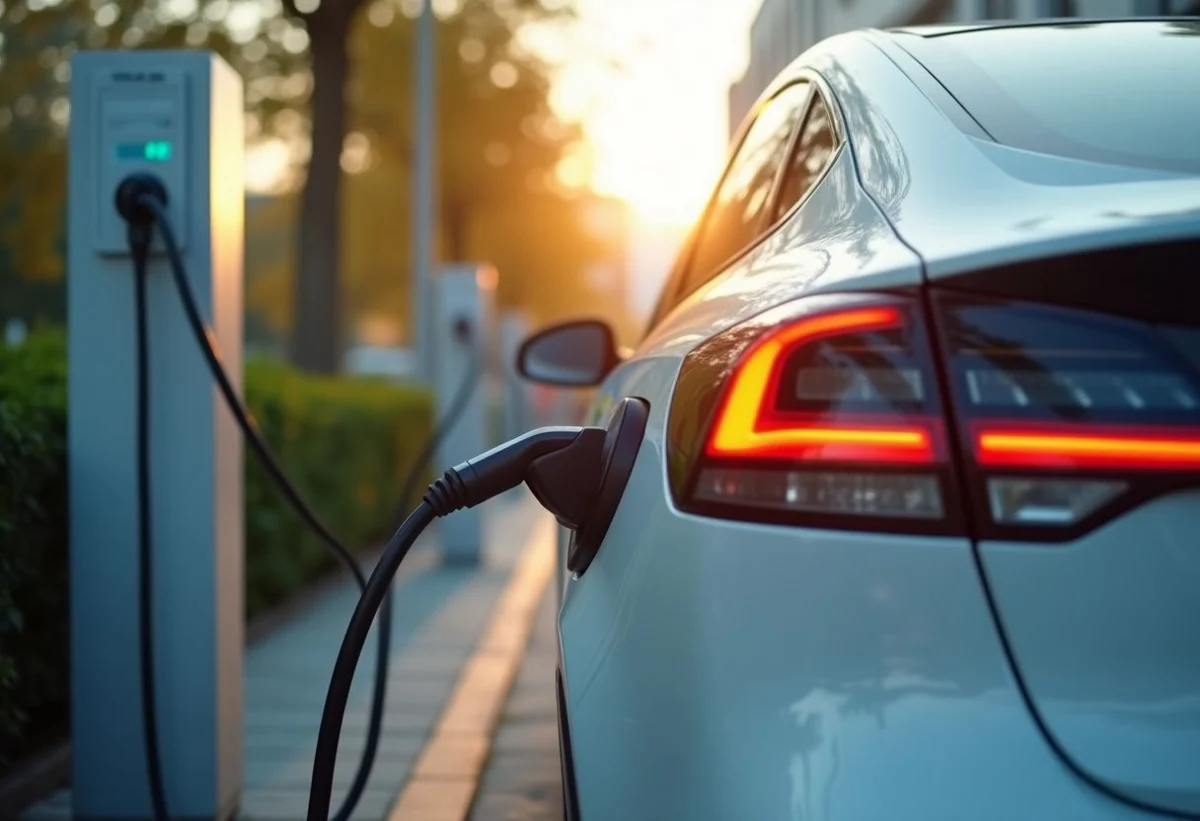
For optimal coverage, it is possible to add supplementary insurances, particularly for electric charging and mobility assistance. These options can be useful in case of breakdown or the need for towing to a charging station.
Subscription conditions and policy prices
The price of a car insurance for electric vehicles depends on several factors, such as the driver’s profile, the use of the vehicle, and where it is parked. Young drivers or those with previous claims may see their premiums increase. Using an insurance comparison tool can be a good way to find the most suitable offer.
Financial aids and subsidies for electric car insurance
Recognition of government aids
There are various government aids to encourage the purchase and insurance of electric cars. Purchase subsidies and energy transition aids are examples of programs that can lighten your initial expenses.
Discounts on insurance premiums
Owners of electric vehicles can benefit from discounts on their insurance premiums. Some insurance companies offer discounts and loyalty programs, making insurance more affordable.
Local and regional initiatives
Depending on your place of residence, you may benefit from additional aids offered by local authorities or partnerships between insurers. Check with your town hall or your insurance company to find out about available initiatives.
Choosing suitable car insurance for your electric car is essential to ensure adequate protection. By considering the specifics of electric vehicles, such as risks related to the battery and charging stations, you will be able to select the coverages best suited to your needs.